Glyph Outline Icon Set – Minimalist Lin
I have spent years reviewing machine embroidery design files for my own studio and for clients who run busy Etsy shops. Most designers know that a pretty picture on a screen often translates poorly to thread. This is especially true when moving from standard digital graphics to physical stitching. Today, I am putting the Glyph Outline Icon Set – Minimalist Lin through its paces. While the product description markets this as a set of vector icons for UI and web design, there is a growing trend of crafters adapting minimalist line art for embroidery. My goal here is to give you an honest assessment of how these specific designs perform when they leave the computer and hit the hoop.
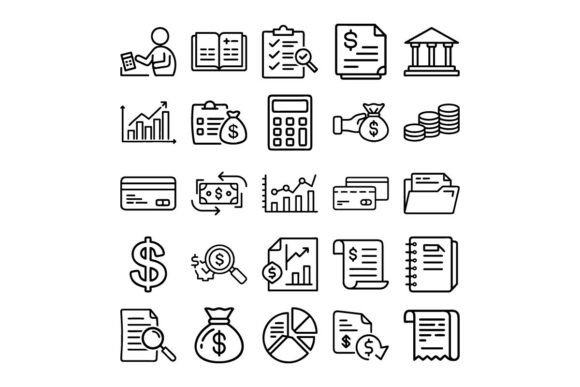
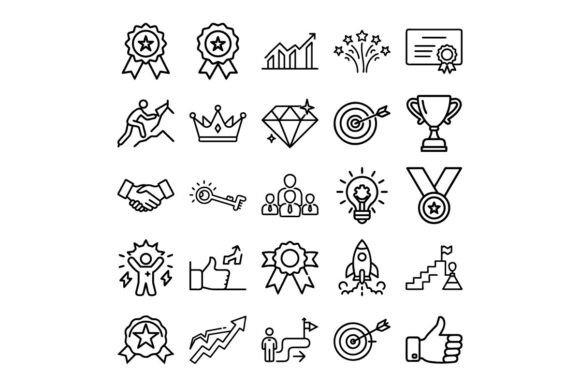
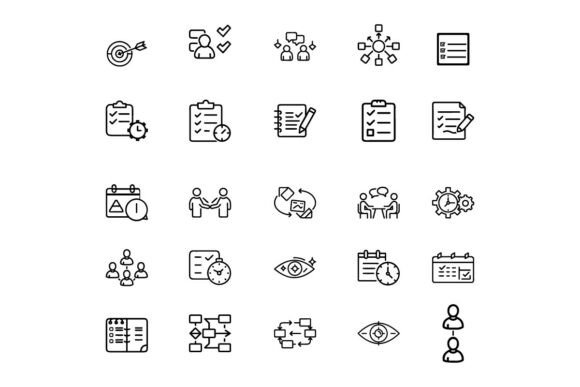
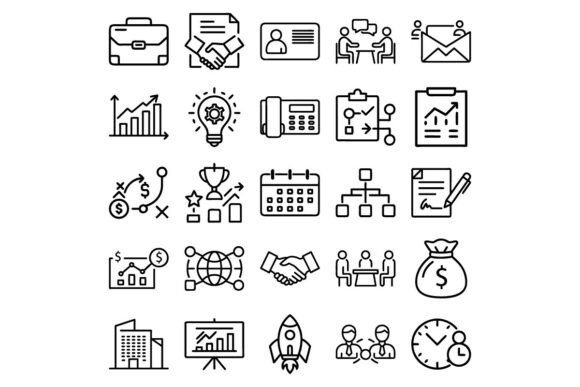
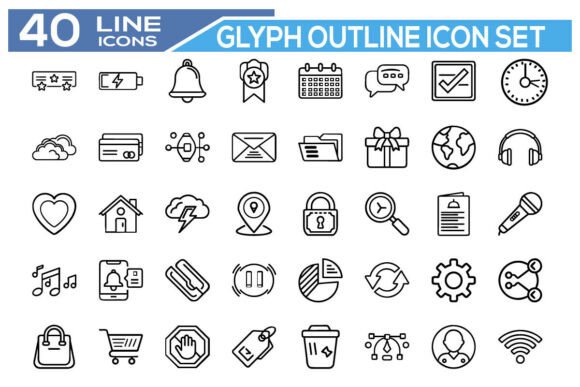
The first impression of the Glyph Outline Icon Set – Minimalist Lin is one of clean, uncluttered geometry. Unlike traditional floral or complex pictorial embroidery patterns, this collection relies on negative space and thin lines. For a designer looking to create modern, boutique-style items, this aesthetic is incredibly appealing. It suggests a mood of sophistication and simplicity. When I imagine applying these graphics to a project, they immediately feel suited for contemporary branding rather than rustic or vintage themes. The visual personality is sharp, professional, and highly recognizable even at small scales.
To test the real-world viability of these designs, I imagined a specific scenario: creating a custom embroidered tote bag for a local coffee shop client. The owner wanted something subtle that wouldn't overpower the fabric but would still communicate their brand identity clearly. A large, dense fill-stitch logo would have been too heavy and stiff for a canvas tote. Instead, I considered using the Glyph Outline Icon Set – Minimalist Lin to create a delicate accent on the side pocket.
In this context, the outline style is a strategic advantage. Because the design relies on running stitches and thin satin columns rather than heavy fill areas, it drapes naturally over the curve of the bag. There is no risk of puckering the fabric with excessive stitch density. The result is a finished product that feels lightweight and high-end. Customers often prefer these kinds of "quiet" logos because they look intentional and not like a cheap mass-produced sticker. However, this success depends entirely on the execution of the file itself.
When evaluating the Glyph Outline Icon Set – Minimalist Lin for other products like sweatshirts, baby clothes, or caps, the limitations become apparent. These are primarily described as graphic assets for print and digital use, so converting them into a functional embroidery file requires careful judgment. If the original vector lines are too thin, the machine may struggle to catch the thread, resulting in gaps or broken stitches. For a tote bag design or a kitchen towel, where the fabric is stable and flat, this risk is lower. But for a sweatshirt embroidery project on a textured fleece, or a baby embroidery item on soft jersey knit, the thin lines might disappear into the fabric texture.
There are also specific situations where you should be very cautious with this type of design. Small hoop sizes present a significant challenge. If you attempt to stitch these glyphs on a tiny patch or a cap front panel, the detail level might get lost. The curves could turn into jagged blobs if the resolution isn't high enough. Furthermore, working with dark fabrics can be tricky. Since these are outline icons, they rely on contrast. If you do not select the right thread colors, the design will vanish against a black or navy background. You must ensure the thread weight matches the intended line thickness of the vector.
Another critical factor is the longevity of the finished product. Embroidered patches and items that require frequent washing need durable construction. Thin outline designs are more prone to snagging or fraying if the stabilizer isn't chosen correctly. If you are selling commercial embroidery items like branded aprons or holiday embroidery gifts, you need to confirm that the design holds up under stress. A design that looks perfect after one wash might fall apart after ten cycles if the stitch density is too low. Always test your stabilizer choice; for these delicate outlines, a cut-away stabilizer often provides better support than a tear-away.
For those of us running a craft business or operating as an Etsy seller, the visual appeal of the final product directly impacts customer trust. Using a well-executed Glyph Outline Icon Set – Minimalist Lin can elevate a simple handmade product into a premium gift. Imagine a personalized gift box with a subtle embroidered glyph on the lid. It signals attention to detail and quality. However, if the stitching is messy or the lines are inconsistent, the perceived value drops immediately. Professionalism in embroidery comes from consistency, and these minimalist designs demand precision.
Before you commit to using these graphics in your next embroidery project, there are several practical steps every designer should take. First, always test the design on scrap fabric that matches your final material. Check how the running stitch and satin stitch interact with the weave of the cloth. Review the stitch density settings in your digitizing software. If the lines are too tight, the fabric will pucker; if they are too loose, the design will look weak. Confirm your hoop size allows enough room for the entire icon without cutting off corners.
It is also wise to inspect small details closely. Look at the corners of the glyphs. Are they sharp or rounded? In embroidery, sharp angles can sometimes cause thread breaks. Compare light and dark fabric backgrounds to ensure visibility. If you are planning to sell finished items, double-check the licensing terms provided by the creator. Some digital embroidery file sets allow personal use only, while others permit commercial sales of the final product. Do not assume that because a design is available for download, you can legally sell it on your shop.
If you are a creative entrepreneur looking to expand your design assets, this set offers a fresh direction. It moves away from the cluttered, colorful styles that dominate the market and embraces a sleek, modern look. Whether you are making printable mockups for your portfolio or creating actual finished products for sale, the versatility of these minimal lines is undeniable. They work beautifully for branding projects where subtlety is key. Just remember that the transition from vector to thread is not automatic. It requires skill, testing, and a keen eye for detail.
Ultimately, the Glyph Outline Icon Set – Minimalist Lin is a powerful tool for the right application. It is ideal for illustrations that need to be translated into thread for modern apparel, home decor, or boutique accessories. By understanding the constraints of embroidery and respecting the nature of the design, you can create stunning, high-value items that customers will love. Take the time to prepare your materials, choose the correct threads, and test your workflow. When done correctly, the result is a piece of art that feels both timeless and current.