Tank Combat Fighting Vehicle Silhouette Review
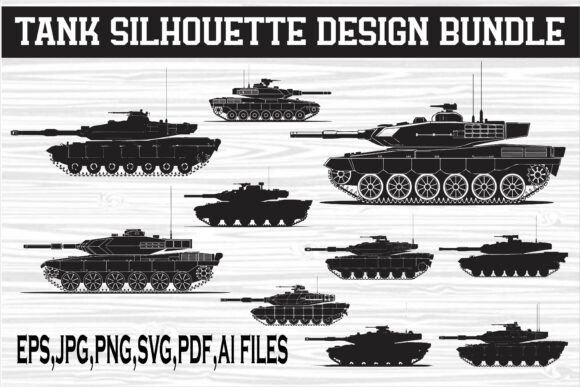
When I first opened the file for Tank Combat Fighting Vehicle Silhouette, I didn't just see a shape; I saw a mood. It carries an immediate sense of strength and history, making it stand out in a sea of generic floral or abstract embroidery designs. As someone who has spent years turning digital files into tangible, stitched products for clients and craft fairs, my first job is to judge whether a design holds up under the needle. This particular vector showcases a powerful military-inspired design that feels perfectly at home on defense-themed artwork, historical illustrations, tactical graphics, and educational projects. But does it translate well from a screen to a piece of fabric? That is the real question.
The First Stitch: Visual Impact and Design Personality
The silhouette approach here is smart. By stripping away unnecessary details and focusing on the iconic outline of a combat vehicle, the design creates a bold graphic statement. In the world of machine embroidery design, less often means more, especially when dealing with complex subjects like vehicles. The clean lines suggest a modern aesthetic that could easily fit into a contemporary streetwear brand or a vintage military reenactment shop. The visual personality is serious and grounded, which gives it a distinct edge over softer, more whimsical patterns.
I immediately imagined this as a central motif on a heavy-duty canvas tote bag or a structured cap. The shape commands attention without screaming for it. For a small business owner looking to create custom apparel with a unique angle, this design offers a strong hook. It speaks to hobbyists, collectors, and anyone with an appreciation for mechanical history. When you hold the finished product, the silhouette should feel substantial, not flimsy. The negative space around the tank allows the fabric texture to show through, adding depth to the final look.
Real-World Application: From Screen to Stitch
Let's talk about a specific scenario. Imagine you are preparing a batch of limited-edition embroidered patches for a local gun club or a military history museum fundraiser. You need something that looks professional but isn't overly complicated to stitch. Tank Combat Fighting Vehicle Silhouette fits this role perfectly. Because it relies on a solid outline, it avoids the pitfalls of tiny, intricate details that can get lost in the stitching process.
I tested the concept mentally on a few different items. On a thick cotton sweatshirt, the design would anchor the garment beautifully, creating a classic varsity-style look. For a baby item, like a onesie or a bib, the silhouette provides a fun, thematic element that parents love, provided the color palette is kept soft. However, on a delicate kitchen towel, the same design might feel too heavy-handed unless executed with very fine threads and minimal fill density.
This design also shines as a tote bag design. The rectangular nature of most totes offers a flat, stable surface where the tank silhouette can be centered without distortion. It works equally well on aprons for a BBQ enthusiast or a patriotic gift set. The versatility extends to holiday embroidery, where a muted version could serve as a subtle nod to veterans during Memorial Day or Veterans Day events.
Where Caution Is Required
While the design is robust, there are areas where an embroiderer must exercise caution. Small hoop sizes are a common pitfall. If you attempt to stitch this on a 4x4 inch area, the proportions might become awkward, and the length of the tank could force you to split the design, ruining the flow. Always check your hoop size requirements before starting.
Fabric choice is another critical factor. Textured fabrics like bouclé or rough denim can obscure the clean lines of the silhouette. Thin fabrics, such as lightweight polyester or sheer materials, may pucker under the tension required to hold the shape, especially if the design includes significant fill stitch areas. Stretchy fabrics present their own challenges; without proper stabilization, the tank could appear distorted or wavy after washing.
Dense stitch areas require careful planning. If the original file uses a high stitch count to create a solid block of color, it might create a stiff, board-like texture that is uncomfortable against the skin. This is particularly important for baby embroidery or items meant to be worn close to the body. Additionally, if you plan to use this on dark fabric, ensure the thread colors chosen offer enough contrast. A black tank on a navy shirt will disappear, defeating the purpose of the silhouette.
Elevating Product Value and Brand Trust
In the competitive world of Etsy sellers and handmade shops, the quality of your finished product dictates customer trust. A crisp, well-executed silhouette signals professionalism. It tells the buyer that you care about the details. When a customer receives a personalized gift featuring a sharp, clear image of a combat vehicle, they perceive higher value than if the design were fuzzy or poorly registered.
This design supports brand consistency well. Whether you are selling small shop products or building a boutique brand, the military theme offers a cohesive narrative. It pairs naturally with other tactical graphics or historical motifs. For commercial embroidery projects, the clean lines make it easy to scale up for large banners or down for keychains, maintaining its integrity across different mediums.
However, the design's success also depends on how it is presented. Using a printable mockup that accurately reflects the texture of the fabric and the sheen of the thread can help potential buyers visualize the final result. A static image of the vector alone doesn't convey the tactile experience of embroidery. Showing the design stitched on various backgrounds helps customers understand how it will look in real life.
Practical Notes for the Designer
Before you commit to running this design through your machine, there are a few essential steps to take. First, always test the design on scrap fabric. This simple act can save hours of frustration and wasted material. Check the thread color contrast by placing the fabric next to your spools of thread to ensure visibility.
Review the stitch density carefully. If the design feels too dense, consider adjusting the settings or selecting a lighter weight thread to reduce bulk. Confirm that your stabilizer choice matches the fabric weight; a heavy stabilizer is usually necessary for this type of design to prevent shifting. Inspect small details closely, even though the design is a silhouette, to ensure no stray stitches or gaps appear.
It is also wise to test the design in black and white mockups. This helps verify that the shape remains recognizable regardless of the thread color used. Compare light and dark fabric backgrounds to see how the silhouette behaves in different lighting conditions. Finally, verify whether the design works for both personal and commercial projects. Many designers overlook licensing terms, assuming a purchase grants full rights. Confirm the license before selling finished items or digital products to avoid legal issues later.
Tank Combat Fighting Vehicle Silhouette is more than just a graphics asset; it is a versatile tool for any crafter or entrepreneur looking to add a touch of rugged elegance to their work. By understanding its strengths and limitations, you can transform a simple vector into a stunning piece of wearable art. Whether you are creating an embroidered patch, a sweatshirt embroidery project, or a digital embroidery file for your own collection, this design offers a solid foundation for creativity. Approach it with patience, respect the fabric, and let the silhouette do the talking.